
 01-07-2008, 02:03 AM
|
|


|
|

Cordova, TN USA
Joined Jan 2006
1,329 Posts
|
INDOOR SEASON IS HERE – GEARING UP YOUR INDOOR FOAMY!
INDOOR SEASON IS HERE – GEARING UP YOUR INDOOR FOAMY
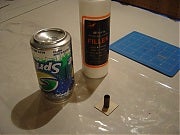
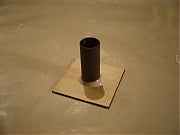
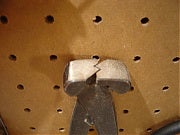
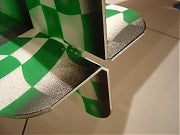
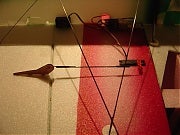
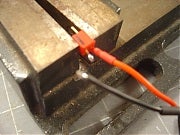
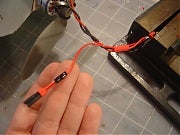
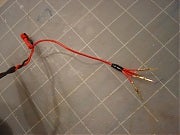
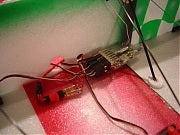
In the past installments, you cut out perfect parts, finished them in great fashion, and assembled the parts into a light, rigid airframe. This airframe is designed to do exactly what you want it to, exactly when you want it to. Now its time to add power and controls to guide it. As we install the radio and power system gear in the airplane, we have yet another opportunity to build either a feather or a tank. Our goal is to build nothing short of a feather so that we can ‘slow down’ everything that is happening. Choosing the right gear is a lot like creating a landslide. Many people decide to put a larger motor on an airplane to ‘improve performance’. They say ‘this motor only weighs x amount more’ and expect that to be it, but things don’t work that way in the real world. Choose a bigger motor, and you’ll then have to choose a larger battery to feed it and a bigger prop to swing. After choosing this larger power equipment, you may now have to beef up the nose of the airplane to handle the torque and the wing to handle the extra weight. Now the motor that ‘only weighs x more’ has added 5x more weight to the foamy landslide!!!!! For indoor foamys of the freestyle or precision persuasion, a good motor like the Dualsky X-Motor 2812 or Axi 2203-46 starts the game rolling. Feed that with a 300mah 2s battery (I like the Dualsky 300mah 2s) and prop it with an APC 7x3.8. These setups give plenty oomph for a 5 oz foamy, but keep the weight down. For ultimate performance, I run the Axi, while the Dualsky is perfect for the less than gifted solderers who prefer a plug and play setup. I run a Castle Creations Thunderbird 9 ESC with the Axi and the Dualsky has the ESC integral with the motor casing. 2.4ghz has given us some great receivers, so run your favorite, but keep it light. If you don’t run 2.4ghz, then try the Berg receivers from Castle Creations. On this Juka, I’m running the ‘end pin’ version of the Berg 7P. One other note on receivers- if you run a 72mhz receiver, put an Azarr antenna on it for the clean look and lighter weight. There are plenty of good servos on the market right now, but I prefer the 4.7 gram servo often called the Dymond 4.7. This servo is available from Shulman Aviation and does the job well. A very high percentage of the airplanes in the ETOC used this servo last year to obvious good effect. The 4.7gram servos come in two versions, standard and fast (denoted with an ‘s’ on the label). I’ll throw in a hint in a bit that makes these servos even faster….. Yeah baby! Hotrod Servos!!!! After getting this gear together, you need to connectorize your batteries and esc. Many people use JST connectors (also called a bec connector) but they are a huge power loss in and airplane this size because of very high resistance. The best connector for this size airplane is the Mini Deans (Mini 2r). I use a small drillpress vice to hold my connectors while I solder them. Don’t forget to tin the solder tab on the connector and tin the wire, then slide the heatshrink on and sweat them together with a shiny joint. The most common mistakes people make when soldering is to not let the iron heat up enough, or to not using the correct type of iron. I’ve found the RadioShack 30 watt pencil iron to be perfect for this job. Now is also a good time to put some Velcro on the battery and airframe to hold it in place. The industrial Velcro that comes in the Dualsky battery packages is great if cut down to a smaller size. The motor mount shown is totally trick and absolutely bulletproof. Its simply a square of 1/32” or 1/16” ply with a 3/8” carbon tube (approx 1” long) glued into it with epoxy. Use some microballons in the epoxy to thicken it and lighten it. Drill it for your motor and use #2 button head screws to attach it. When you're done building the motor mount, glue it into the slot in the nose of the airplane with CA. I usually make only a couple of these a year because they easily outlast the airframes. For mounting the gear, place the servos in their holes and tack them in place with some CA. Just a little under the lugs should be enough if you cut the holes with a tight fit. Remove all the arms from them and put the output screws somewhere safe. Cool trick- put a small magnet on your screwdriver about 1” back from the tip. That will hold the screws in place on the screwdriver tip and is a safe place to put them after they’ve been removed. Find the longest arms in the servo packages and set them aside. Once the servos are installed, its time to put the control horns and pushrods in. Many people swear by Pull-Pull setups made from Kevlar thread. However everyone I’ve seen swear by them I’ve also seen swear at them! Same goes for heatshrink pushrod ends to replace standard linkages… Heatshrink gets stiffer as it gets colder and induces binding in the linkage. I’ve also found them difficult at best to set up. I use the same .040 carbon rod as we used to brace the wing a few days ago to make pushrods. Again, use tube if you want it really light. I put z-bend ends of .025 music wire on the pushrods to connect them. A good pair of z-bend pliers makes this job much quicker and easier. I use 3/32” or 1/16” polyolefin heat shrink to attach the z-bends to the pushrod. Before you put the second z-bend on, don’t forget to put some pushrod braces on the pushrod. 1/4" wide strips of ply with a .050 hole in the end make perfect braces - light and stiff. Take the control horns you cut out the other day from the plans and drill them for the pushrod ends. You can cut a piece of .025 music wire and slash cut the end to make a quick drill. Harden the holes with thin CA and re-drill them for a slop free, long lasting control horn. Stack drill them so the holes are equal distances from the surface. The huge benefit of this style control horn is the base. The long base surface gives lots of gluing area and stiffens the control surface. Plan out all your control horn locations and mark them. Your goal with the pushrods is to have the pushrod and control horn perpendicular to the hingeline. Best to have the servo arms parallel with the hingelines as well. Pay attention to the connector hole in the control horn. You need this to always be directly over the hingeline. A few hundredths of an inch in front of or behind the line will induce bias into the throws. My standard control horns install into a 1mm deep cut in the depron made with the knife. Slide the control horn in, center the hole over the line and CA it in place with thin. Connect up the pushrods and swing them into place with the servo arm. Slide the z-bend in and out of the heatshrink until it meets the servo arm hole correctly. Install the pushrod braces equal distances down the pushrod- glue them into the fuse with thin CA. Aileron pushrods don’t need braces usually. Don’t forget to put the servo horn screw back in and a drop of thin CA on the end of the heatshrink to lock the z-bends in place! A couple other tricks to make this go better: Center up your servos by powering them up on the radio with all the throws and trims centered and the servo arms off- then install the arms. Failing to do this might result in a servo stripping itself upon powering up (by butting up against the structure). To make the servos move really fast, here is a trick I picked up from Gernot Bruckman and Dirk Van Der Vect. The 4.7gram servo is actually rated to 9 volts. That means you can bypass the inefficient BEC in the ESC and run the servos directly on 2S lipo voltage. Most others have done this by hacking the servo apart and re-wiring it. I personally don’t like that method so I came up with my own. The supercool hot-rod method for the servos that is easiest is as follows. Solder an extra 4-6” piece of red servo wire on the red post of the deans connector when you solder it up to the ESC. Run that piece of wire back to near the receiver and solder on 4 male servo connector pins (available from Maxx Prod in the servo connector kit they sell). Put some heatshrink on this assembly to keep it neat. I like to tack this down on the airframe just behind the receiver on the connector end. Next, pry up the retainer tab in the servo connector for each servo you want to ‘hotrod’. As you pry up the tab, pull the red wire from the connector. Connect all the servos to the receiver just as you did before, but this time plug the red wires directly into the ‘hotrod’ connector you made. Now you have super fast servos! BTW, do this trick at your own risk. I can’t make any guarantees about any brand of servo and its capability to handle this. Personally, I've had good success running the 4.7gram servos this way, but I've not tried any other brand. Now its time to hit the air. Power it up and check the airplane over thoroughly! Give her a toss and wring it out. Check out this thread below to learn how to properly trim a foamy.... https://www.flyinggiants.com/forums/...html#post44186 I hope that this series has helped everyone who has read it. My goal was to have everyone who read it pick up at least one new trick or idea that might help them enjoy building and flying indoor a little bit. I hope it has succeeded. A big thanks to the FlyingGiants crew for giving me the chance to get this in front of everyone. : ) See ya’ll in the gym! |
|
|
Last edited by Matchless; 01-07-2008 at 09:53 AM.


|


|
|
|
01-07-2008, 02:06 AM
|
|
|
|
|
|
Cordova, TN USA
Joined Jan 2006
1,329 Posts
|
Re: INDOOR SEASON IS HERE – GEARING UP YOUR INDOOR FOAMY!
more...
|
|
|
|









|
01-07-2008, 09:57 AM
|
|
|
|
|
|
Cordova, TN USA
Joined Jan 2006
1,329 Posts
|
Re: INDOOR SEASON IS HERE – GEARING UP YOUR INDOOR FOAMY!
Good question Mr. Flash! I've been flying all of the prototypes of the JUKA with zero/zero from the beginning. A 1/64" shim of ply worth of right thrust would not hurt it a bit, but I've not yet found it necessary on this design.
|
|
|
|
|
01-07-2008, 10:58 AM
|
||
|
|
||
|
Cordova, TN USA
Joined Jan 2006
1,329 Posts
|
Re: INDOOR SEASON IS HERE – GEARING UP YOUR INDOOR FOAMY!
Quote:
One possible solution would be to remove the bec power wire (red wire) on the esc from the reciever and then feed the reciever with direct voltage from the battery. |
|
|
|
|
|
|
01-07-2008, 11:29 AM
|
||
|
|
||

United States, WA, Seattle
Joined Jul 2006
2,122 Posts
|
Re: INDOOR SEASON IS HERE – GEARING UP YOUR INDOOR FOAMY!
Quote:

|
|
|
|
|
|

|
01-08-2008, 09:12 AM
|
||
|
|
||
|
Cordova, TN USA
Joined Jan 2006
1,329 Posts
|
Re: INDOOR SEASON IS HERE – GEARING UP YOUR INDOOR FOAMY!
Quote:
|
|
|
|
|
|

|
01-09-2008, 09:58 PM
|
|
|
|
|

Los Altos Ca
Joined Apr 2007
97 Posts
|
Re: INDOOR SEASON IS HERE – GEARING UP YOUR INDOOR FOAMY!
nice job on the build. i like the looks of the plane

|
|
|
|
|
01-10-2008, 11:16 AM
|
|
|
|
|
|
Cordova, TN USA
Joined Jan 2006
1,329 Posts
|
Re: INDOOR SEASON IS HERE – GEARING UP YOUR INDOOR FOAMY!
Mr. Flash, I like the little 2812. It runs smooth and has good power. Installation is quick too with less peripheral stuff to install. It is slightly down on power compared to the Axi, but its not a huge difference.
|
|
|
|
|
01-11-2008, 08:19 AM
|
|
|
|
|
|
Joined Feb 2006
712 Posts
|
Re: INDOOR SEASON IS HERE – GEARING UP YOUR INDOOR FOAMY!
I like the RTR 2812-33 and 2812-27 from Dualsky (2DogRC.com). As a motor w/built-in esc under 1 ounce it cannot be beat.
It comes with an already installed prop saver, a long lead to go the receiver, and a JSt conn already installed, under 1 ounce!! I built an IKARUS Shock Flyer Yak-54 with only leading edge carbon, 4g servos stripped of their bottom case, UHU glue only, minimum bracing on the tail, 8x8.38 prop, 3cell 730 TP, the 2812-33 (3cell version), result...5.5 ounce holy grail awesome shocky. The 2 cell version needs a 9inch prop to be loaded well, and under 175g airframe to really perform well. The 3 cell (33) rocks with an Ikarus. |
|
|
|
«
Previous Thread
|
Next Thread
»
| Currently Active Users Viewing This Thread: 1 (0 members and 1 guests) | |
| Thread Tools | |

